Recipe
Rice Water — Fermented Method
The brightening-focused version. Higher ferulic acid, higher kojic acid, pH-friendly for skin. The closest DIY cousin to a K-beauty rice-ferment essence.
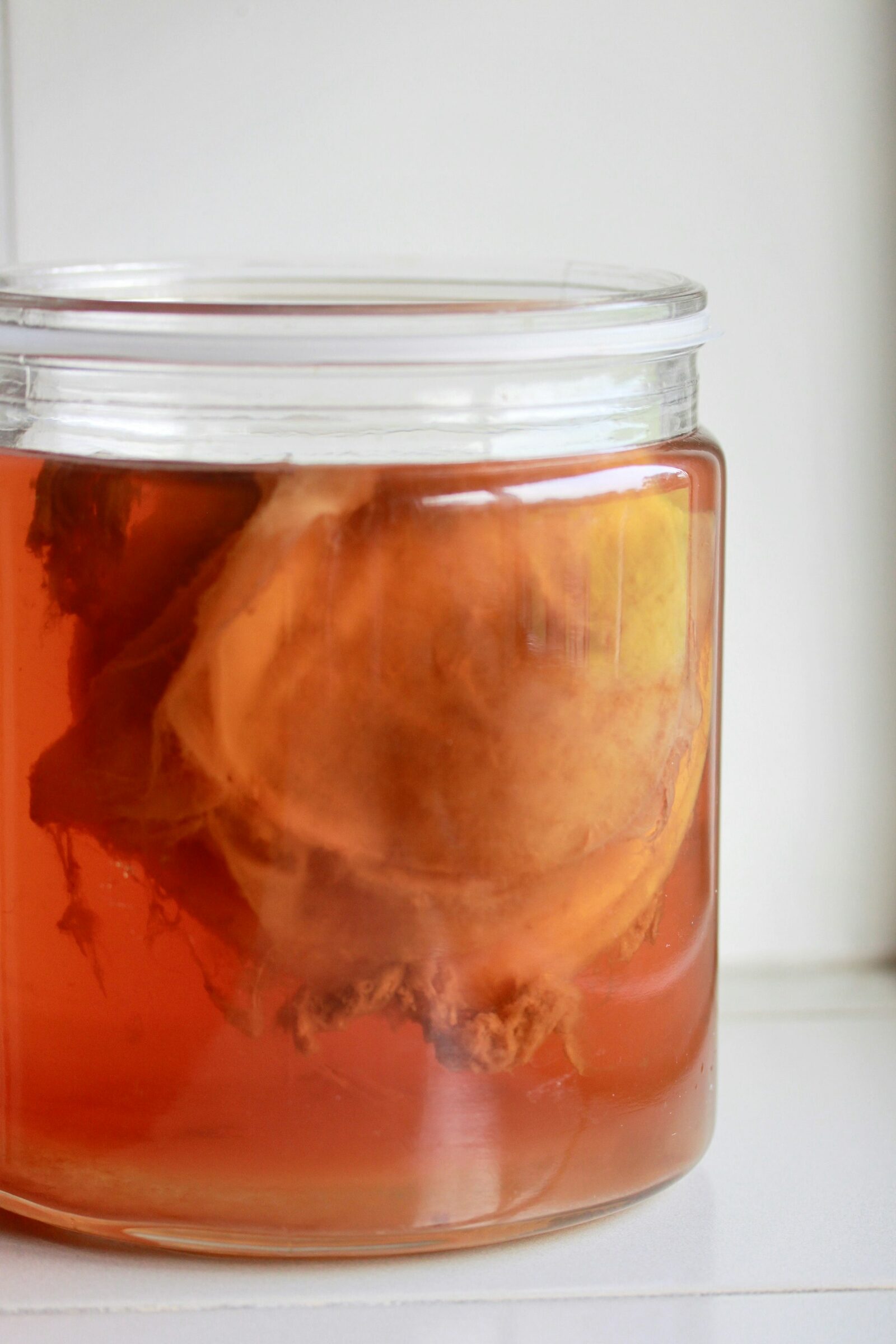
Ingredients
- ½ cup organic white rice jasmine or short-grain preferred
- 2 cups filtered water room temperature
Equipment
- Fine-mesh strainer
- Clean glass bowl
- Clean glass jar
- Cheesecloth, or the jar lid left slightly ajar
The fermented method is the K-beauty-forward version. It’s the preparation most directly aligned with the traditional Japanese and Korean use — geishas and Heian-court ladies aged their rice water for a day or two before applying it. They were right, for reasons their chemists wouldn’t articulate for another thousand years.
Home-remedy note: This is a DIY skincare preparation, not medical advice. Patch-test before applying to your face, and stop if any reaction occurs.
Why this method
Fermentation does four things that matter for skin:
- Produces organic acids (lactic, acetic, citric) that drop the pH from near-neutral to 4.5–5.5 — skin’s own comfortable acid-mantle range.
- Increases ferulic acid bioavailability — bound forms in the grain are released and become more skin-absorbable.
- Generates kojic acid — a well-evidenced tyrosinase inhibitor that dials down melanin production. Kojic acid is a regulated cosmetic brightener in Japan and Korea for exactly this reason.
- Creates postbiotic metabolites — byproducts of the yeast and bacterial work, similar in concept to the patented Galactomyces ferment filtrate that SK-II markets as Pitera.
Zamil et al. 2022 in the Journal of Cosmetic Dermatology characterize rice-derived compounds as “safe, non-irritating, and hypoallergenic” with broad utility — and specifically note fermented rice bran extract’s role in atopic dermatitis support.
If your goal is brightening, evening out mild sun unevenness, or layering a gentle adjunct into a K-beauty-style routine, this is the preparation to use.
Step-by-step
1. Rinse the rice (30 seconds)
Put ½ cup of rice in the strainer. Run cold water through it until the water runs clear. This removes surface dust but leaves the wild microorganisms on the grain that will do the fermenting — so don’t scrub.
2. Soak at room temperature (30 minutes)
Transfer to your glass bowl. Add 2 cups of filtered water. Let it sit 30 minutes. Give it one gentle swirl halfway through.
3. Strain into the jar (1 minute)
Pour the liquid into your clean glass jar. The rice goes to dinner.
4. Loosely cover the jar — do not seal airtight
Fermentation produces CO₂. A sealed jar can build pressure. Use either:
- A piece of cheesecloth rubber-banded over the top
- The jar’s own lid left slightly ajar — just not tight
- A clean cotton napkin works in a pinch
5. Leave at room temperature 24–48 hours
Put the jar somewhere out of direct sunlight — a counter corner, a cabinet with air circulation. Room temperature should be roughly 68–75°F (20–24°C). Cooler kitchens slow fermentation; warmer kitchens accelerate it.
Check the smell every 12 hours. You’re looking for:
- Faint sour note (correct — fermenting)
- Slightly cloudier appearance (correct)
- No visible mold (correct)
- Sharp pungent smell (too far — discard)
6. When it smells right, refrigerate immediately
This is the critical step. Fermentation continues at room temperature until something stops it. When the aroma hits the sweet spot — mild sour, not yet sharp — move the jar to the fridge. The cold slows fermentation to near-zero, locking in the peak concentration.
7. Use within 5–7 days, or freeze
Refrigerated shelf life is 5–7 days (longer than plain rice water because the lower pH inhibits many spoilage organisms). For longer storage, pour into silicone ice-cube trays and freeze — 1–3 months of shelf life.
Troubleshooting
- No change in smell after 48 hours. Your kitchen may be too cold, or the rice may have been over-polished (stripped of the natural wild microbes). Try a different rice brand, or move the jar to a warmer spot.
- Sharp, pungent, or rotten smell at any point. Over-fermented. Discard the batch — the pH has likely swung too far acidic, which stings.
- Mold on the surface. Throw out the whole batch. Mycotoxins diffuse through liquid; don’t try to scoop around them.
- Cloudy bottom, clear top. Normal. Gently swirl the jar before each use.
- A thin white film on the surface. Usually “kahm yeast” — harmless in small amounts but a sign the batch is heading toward over-fermented. Use it up within a day or discard.
Warnings
- Patch test first. The higher organic-acid concentration can sting on reactive skin even though it’s pH-friendly. Test on the inner forearm for 24 hours.
- Start at 1× per week for the first two weeks and work up to 3–4× per week. Don’t jump to daily.
- Evening use only while you’re starting. Fermented rice water has more ferulic acid, which is a mild photosensitizer at high repeat application. Night routine is the safer context.
- Pair with SPF 30+ the next morning. Non-negotiable if you’re using this for brightening.
- Rosacea skin: skip the frozen version (cold triggers flares) and use room-temperature fermented rice water cautiously at most 2× per week. See the rosacea post before starting.
When to choose this method over others
- Dullness, uneven tone, mild sun-related dark spots — fermentation is the brightening-focused preparation
- K-beauty routine fit — this is the DIY cousin to rice ferment filtrate
- Longer fridge shelf life — the acidic pH adds days vs plain rice water
- You’ve been using plain rice water for 2+ weeks and want to level up
For a gentler everyday preparation, see the soaked method. For dry-skin barrier support, see the boiled method.
Related
Storage
The moment the aroma turns faintly sour (24–48 hr), refrigerate immediately — this stops fermentation at the sweet spot. Keeps 5–7 days refrigerated, or 1–3 months frozen as ice cubes. The lower pH from fermentation extends the fridge shelf life vs plain.
Frequently asked questions
How do I know when it's done fermenting?
Smell. After 24–48 hours at room temperature, the liquid should smell faintly sour — like very mild yogurt or kombucha. Cloudier appearance and slightly more texture are normal. Sharp, pungent, rotten-vegetable, or moldy = over-fermented; throw it out and start over.
Why fermentation makes it better for brightening
Fermentation produces more ferulic acid, more kojic acid, and postbiotic metabolites. Kojic acid in particular is a regulated cosmetic brightening ingredient — it inhibits the enzyme that produces melanin. You end up with something mechanistically similar to (though much less concentrated than) SK-II's Pitera.
Is a slightly sour smell normal on skin?
Yes. Fresh fermented rice water smells mildly sour; the scent mostly dissipates within seconds of application. If it bothers you, add a splash of rose water or green tea when you store it — the aroma softens without breaking the chemistry.
What if I forget and leave it out for 3+ days?
Past 48 hours at room temperature, fermentation drives pH extremes that can irritate skin, and microbial risk climbs. Toss it and start fresh. The rice costs pennies.
Can I ferment the leftover rice water from boiled/soaked batches?
Technically yes, but yields are inconsistent — the soaked method starts with all the wild microbes intact on the grain, which is what does the fermenting work. Start fresh for reliable results.