Recipe
Rice Water — On-Stove (Boiled) Method
The starch-rich version. Best for dry, flaky, or barrier-compromised skin — the rice-starch-bath research is built on this preparation.
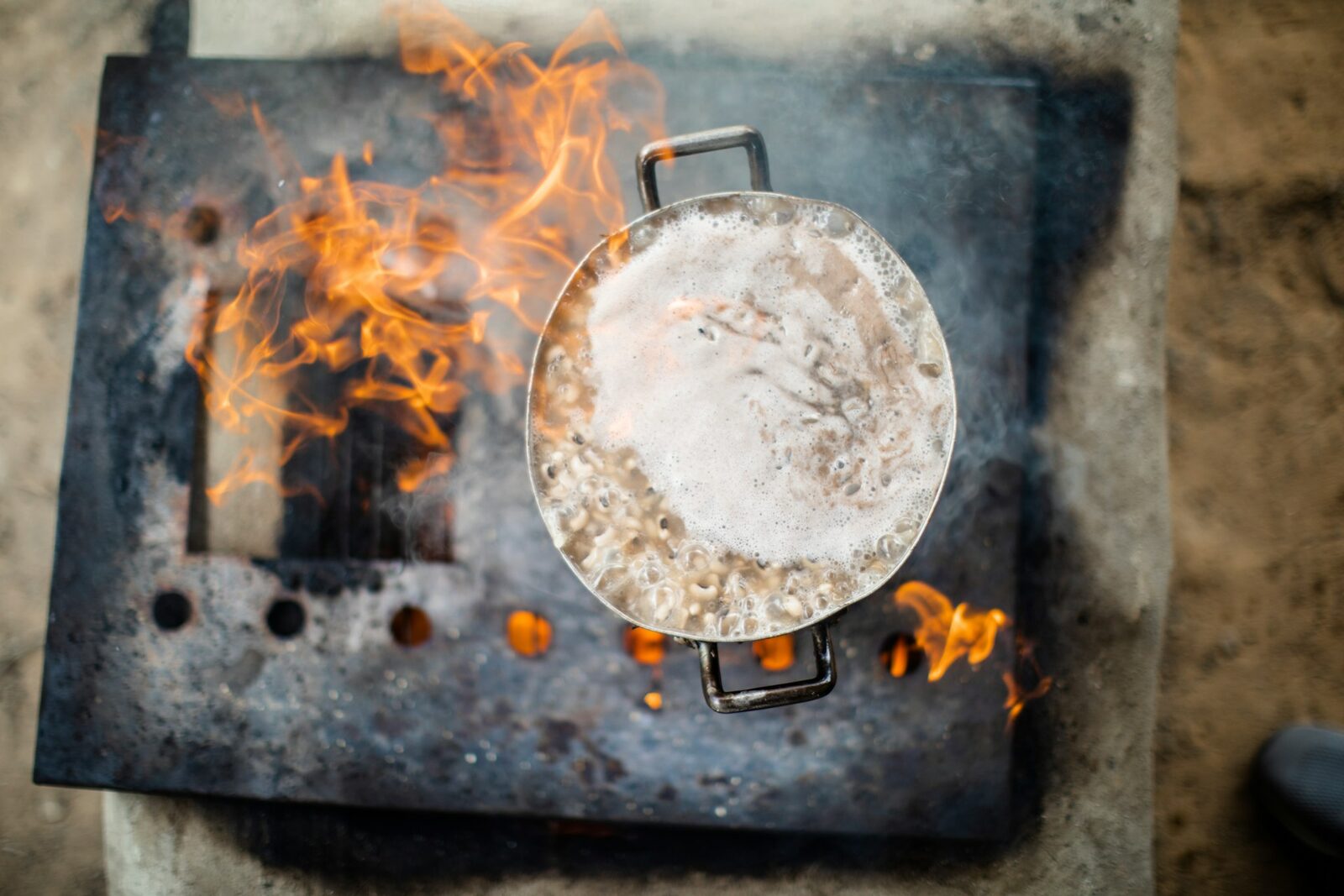
Ingredients
- ½ cup organic white rice jasmine, short-grain, or basmati all work
- 2–3 cups filtered water start with 2 cups; add more if it reduces too fast
Equipment
- Small saucepan
- Fine-mesh strainer
- Clean glass jar with airtight lid
The boiled method — which we also call the on-stove method — is the version for people whose skin is dry, flaky, or recovering from strong actives. It extracts the most starch, and starch is the best-evidenced rice-water compound for barrier support.
Home-remedy note: This is a DIY skincare preparation, not medical advice. Patch-test before applying to your face, and stop if any reaction occurs.
Why this method
The 2002 De Paepe study in Acta Dermatologica Venereologica — the cleanest clinical evidence for rice on skin — used rice-starch bath water. Twice-daily exposure produced a 20% improvement in healing capacity of SLS-damaged skin and measurable improvement in atopic-dermatitis patients.
Boiling rice extracts more starch than soaking. If the evidence base matters to you, this is the preparation most directly mapped to it.
Step-by-step
1. Rinse the rice (30 seconds)
Put ½ cup of rice in a fine-mesh strainer. Run cold water through it until the water runs clear. This removes surface dust, debris, and the most superficial loose starch — you still want starch in your rice water, but not the dusty top layer.
2. Combine rice and water (30 seconds)
Transfer the rinsed rice to your small saucepan. Add 2 cups of filtered water. If you’re cooking on a larger burner or an electric stove that runs hot, start with 2.5–3 cups — it will reduce more than you expect.
3. Bring to a gentle simmer (3–4 minutes)
Turn the heat to medium. Wait until the water is moving — bubbles breaking the surface, not a rolling boil. You want controlled extraction, not rapid evaporation.
4. Simmer for 10–15 minutes
Lower the heat to medium-low and let it simmer. The rice should soften. The water should become visibly cloudy and slightly viscous.
Check every 5 minutes that the water hasn’t reduced too far. If it looks like less than 1.5 cups of liquid, add a bit more water.
5. Strain and cool (5–10 minutes)
Turn off the heat. Pour the liquid through a strainer into your clean glass jar. Press the rice gently with the back of a spoon to extract every last drop of starch-rich water.
Let it cool to room temperature before sealing the jar. Sealing hot liquid creates condensation inside the lid, which drips back in and accelerates spoilage.
6. Refrigerate immediately
Once cool, seal and refrigerate. Plan to use within 3–5 days, or freeze into silicone ice-cube trays for 1–3 month shelf life.
Tips for a better batch
- Medium-low, not high. High heat caramelizes starch and adds a slightly nutty smell that some people find off-putting on skin.
- Cover loosely if you live in a humid kitchen. A lid ajar prevents too much reduction without trapping steam.
- Label the jar with a “boil” note. Once you have multiple preparations going, you’ll forget which is which.
- Don’t salt the water. This isn’t a culinary recipe — salt on skin is just drying.
- Use filtered water. Heavy mineral tap water can slightly shift texture.
Warnings
- Do not apply to broken or actively inflamed skin.
- Patch-test on the inner forearm for 24 hours before facial use if you’ve never used rice water before.
- The higher starch content can feel comedogenic on very oily or acne-prone skin. Follow with a light cleanse if so, or switch to the soaked method.
- If the liquid ever develops a sour or fermented smell (pleasant on purpose-fermented rice water — unpleasant here), it’s spoiled. Start fresh.
When to choose this method over others
- Dry, flaky, winter skin — the starch is doing real barrier-soothing work
- Post-retinoid, post-peel, post-laser recovery — gentle adjunct while you rebuild
- Redness from windburn or sun — cooling starch film calms surface irritation
- You want the evidence-backed version — this is the preparation that matches the clinical rice-starch literature
For a gentler everyday preparation, see the soaked method. For a brightening-focused version, see the fermented method.
Related
Storage
Cool completely before sealing (condensation is the enemy). Keeps 3–5 days refrigerated, or 1–3 months frozen as ice cubes in an airtight container.
Frequently asked questions
Why boiled instead of soaked?
Boiling extracts the maximum starch content. Starch is the component most directly linked to the 2002 rice-starch-bath study showing 20% improvement in SLS-damaged skin barrier function. If your priority is soothing dry, flaky, or recently-over-actived skin, boiled wins.
Should the water actually boil, or just simmer?
A gentle simmer is the goal. A rolling boil reduces the water too fast and can make the liquid unpleasantly thick. Medium-low heat, bubbles just breaking the surface, 10–15 minutes.
Can I eat the leftover rice?
Yes. The rice is fully cooked — just strain it out and use it for dinner. No waste.
Why does this version feel heavier on skin?
Higher starch concentration. If your skin is oily or acne-prone, the soaked method is a better starting point. For dry skin, the heavier feel is what's doing the barrier-supporting work.
Can I dilute boiled rice water to make it lighter?
Yes. A 1:1 dilution with filtered water lightens the feel significantly while keeping roughly half the starch concentration. Good middle ground for combination skin.