science
Rice Water for Face: What It Does, What It Doesn't, How to Use It
A clear home-remedy guide to rice water for skincare — the compounds inside, what the research actually shows, where the hype overshoots, and how people traditionally use it.
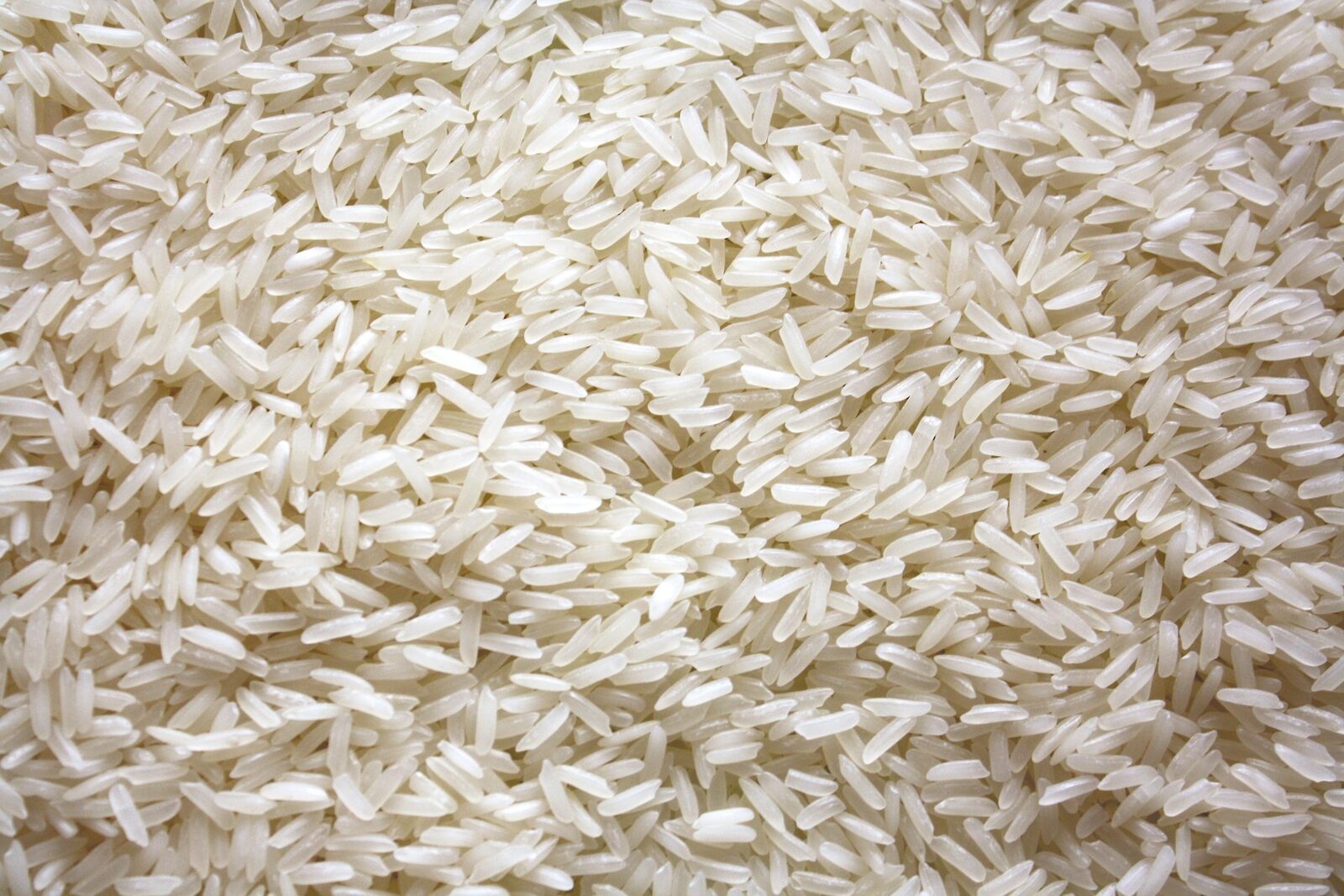
Rice water is the liquid left over after you rinse, soak, or cook rice. For at least a thousand years, people in Japan, Korea, China, and parts of Southeast Asia have used it on their skin and hair. On today’s TikTok, it gets credited with everything from fading dark spots to smoothing wrinkles to clearing acne.
The truth sits between “ancient miracle” and “complete nonsense,” and it’s worth being specific.
Home-remedy note: this article describes traditional and popular uses of rice water and summarizes research on its ingredients. It’s not medical advice. Persistent skin concerns deserve a licensed clinician, not a rice-water ritual.
What’s actually in rice water
Rice water isn’t one thing. It’s a dilute solution of compounds that leach out of the grain during soaking or cooking. The key ones for skin:
- Inositol — a sugar-alcohol that supports cell regeneration; identified in a 2018 Cosmetics review as the primary driver of rice water’s anti-aging activity through fibroblast stimulation.
- Ferulic acid — a well-characterized antioxidant that protects against UV damage and interferes with melanin production. Its brightening mechanism is real and studied.
- Allantoin — a keratolytic compound with a long track record in cosmetic science for soothing and supporting wound healing.
- Phytic acid and, in fermented preparations, kojic acid — both inhibit tyrosinase, the enzyme responsible for melanin synthesis. Kojic acid is a regulated brightening ingredient in many skincare products.
- Amino acids and peptides — humectants and substrates for barrier support.
- Starch and rice bran — film-forming soothers, and the active ingredient in the most rigorous rice-skin study on the books.
- GABA, betaine, squalene, tricin — lesser-concentration anti-inflammatory and moisturizing compounds catalogued in a 2022 dermatology review.
Fermented rice water changes the chemistry meaningfully. Bacteria and yeast break down starch and produce more ferulic acid, more kojic acid, and postbiotic metabolites the plain version lacks. The pH also drops from near-neutral to around 4.5–5.5, which is close to skin’s natural acid mantle.
What the research actually shows
Here is where it matters to be honest.
Strong evidence
De Paepe et al., 2002, published in Acta Dermatologica Venereologica, tested rice starch as a bath additive on skin that had been intentionally damaged with sodium lauryl sulphate. Twice-daily 15-minute rice-starch exposure produced a 20% improvement in the healing capacity of damaged skin. Barrier function also improved in patients with atopic dermatitis.
This is the cleanest, most-cited trial on rice and compromised skin. It’s the answer to “is there any real science behind this?”
Supportive, moderate evidence
Zamil et al., 2022, a review in the Journal of Cosmetic Dermatology, surveyed rice-derived dermatological applications and concluded rice-derived compounds are “safe, non-irritating, and hypoallergenic” and have “wide potential for use in skin care.” The review specifically discusses anti-aging, anti-inflammatory, whitening, photoprotective, and moisturizing effects.
Marti-Mestres et al., 2018 in Cosmetics (MDPI) characterized rice water’s anti-aging activity mechanistically, identifying inositol as the main driver.
Weaker evidence
For acne, wrinkle reversal, and dramatic hyperpigmentation improvement from home-made rice water, the clinical data is sparse. The compounds are plausible drivers; the effect sizes from DIY preparations are small and slow.
The SK-II Pitera story
In the 1970s, scientists observed that elderly workers at a Japanese sake brewery had conspicuously youthful hands. After testing 350 yeast strains, a specific Saccharomyces filtrate from fermented rice emerged as the most promising. That filtrate was trademarked as Pitera and launched in 1980 as SK-II’s Facial Treatment Essence. It now costs $185 for 230 ml.
DIY fermented rice water is not Pitera. Pitera is a preserved, standardized, QC-tested filtrate. But the mechanism — postbiotic metabolites from rice-based fermentation acting on skin — is the same family of ideas.
What to realistically expect
- Immediate: skin feels soft and looks slightly more even. Cold application (ice-cube form) depuffs visibly.
- 2–4 weeks of consistent use: improvement in skin texture and surface smoothness. Subtle brightening on sun-related mild unevenness.
- 4–8 weeks: measurable (in the mirror, not a dermatology lab) improvement on mild pigmentation; slightly reduced pore appearance; more resilient-feeling skin barrier.
- 12+ weeks: plateau. Rice water is an adjunct, not a trajectory-changer.
If your expectation is “replaces retinol,” the answer is no. If your expectation is “a gentle, cheap, low-risk layer that supports my skin,” the answer is yes.
Body skin too (briefly)
Most rice-water-skincare conversations are face-focused, but the same compound profile helps with body skin issues that benefit from gentle barrier support — notably keratosis pilaris (the “chicken skin” bumps on arms and thighs). Rice water won’t dissolve the keratin plugs themselves — that’s the chemical-exfoliant job — but it pairs well as the soothing layer.
How to use it (three methods)
1. Soaking — the gentlest
- Rinse ½ cup organic white rice until water runs clear.
- Soak in 2 cups filtered water, room temperature, 30 minutes.
- Strain into a clean glass jar.
- Refrigerate; use within 3–5 days.
2. Boiling — highest starch, most barrier-soothing
- Rinse rice as above.
- Combine ½ cup rice with 2–3 cups water; simmer until rice is soft, do not reduce to dry.
- Strain off the starch-rich water; cool completely.
- Refrigerate up to 5 days.
3. Fermenting — most potent, pH-friendliest, best for brightening
- Prepare as for soaking.
- Leave the strained liquid covered at room temperature for 24–48 hours.
- Smell it: faintly sour is correct; pungent or rotten is gone.
- Refrigerate immediately once the fermentation window closes; use within 5–7 days.
For a longer shelf life, pour any of these into a silicone ice-cube tray, freeze, and transfer to an airtight container. Frozen rice water stays good for 1–3 months.
Application protocol
- Patch test first — apply to inner forearm, wait 24 hours for reaction.
- Cleanse face before application.
- Apply with a cotton pad as a toner, or use a rice-water ice cube wrapped in thin muslin for a depuffing ritual.
- Don’t leave it on if your skin is oily or acne-prone — the starch can clog pores. Rinse lightly after 5–10 minutes.
- Follow with your regular routine — humectant serum, moisturizer, sunscreen (morning).
- Frequency: 3–4 times per week, not daily.
Who should not use it
Rice water is generally well-tolerated, but avoid if you have:
- Rice protein allergy (rare; patch test)
- Severely oil-prone/acne-prone skin — unless you rinse after application, the starch content is pore-clogging for some people
- Active skin infection or broken skin — wait until barrier is intact
- Recent strong-active irritation (retinoid flare, peel recovery) — reintroduce slowly
And as covered in our ice-cube ritual guide: cold application specifically is not safe for rosacea, broken capillaries, or cold-triggered flushing.
The honest bottom line
Rice water is a legitimate, gentle skincare adjunct with a real evidence base, a long cultural history, and one of the strongest ingredient safety profiles you can get. It is not a retinol substitute, a vitamin C serum substitute, or a magic spell. It costs about ten cents a batch.
Used correctly, it’s a worthwhile addition. Used with inflated expectations, it’s a disappointment. Manage the expectation, follow the protocol, and it earns its place on your bathroom counter.
Sources
- De Paepe K, et al. Effect of rice starch as a bath additive on the barrier function of healthy but SLS-damaged skin. Acta Dermatologica Venereologica, 2002.
- Zamil DH, et al. Dermatological uses of rice products: Trend or true? Journal of Cosmetic Dermatology, 2022.
- Marti-Mestres G, et al. Rice Water: A Traditional Ingredient with Anti-Aging Efficacy. Cosmetics (MDPI), 2018.
- SK-II. Facial Treatment Essence — Pitera origin story.
- Healthline. Rice Water for Skin: Uses, Benefits, and Efficacy.
Frequently asked questions
Is rice water actually good for your skin?
Yes — modestly. It contains inositol, ferulic acid, allantoin, amino acids, and (when fermented) kojic acid, all of which have evidence for soothing, brightening, and supporting the skin barrier. It is not a substitute for clinical actives like retinoids or vitamin C serums, but it layers well with them.
How often should you put rice water on your face?
Three to four times per week is the consensus sweet spot. Daily use can cause dryness, irritation, and increased photosensitivity from ferulic acid.
Should you refrigerate rice water?
Yes. Fresh rice water kept at room temperature spoils within 24 hours. Refrigerated, plain rice water lasts 3–5 days and fermented rice water lasts 5–7 days. Frozen as ice cubes, it keeps 1–3 months.
Does rice water have side effects?
Possible side effects include dryness from overuse, irritation from ferulic acid sensitivity, pore-clogging from the starch content on oily skin, and allergic reaction in rice-protein-sensitive individuals. Always patch-test before facial use.
Is rice water the same as the SK-II Pitera essence?
No, but they're related. Pitera is a highly purified, preserved, trademarked Saccharomyces ferment filtrate derived from rice fermentation. DIY fermented rice water is a less-concentrated, non-standardized version of the same basic idea. The mechanism is similar; the magnitude is not.