comparison
Fermented vs Plain Rice Water: Which Actually Works Better for Your Skin?
The chemistry, the pH, and the skin effects are genuinely different. Here's when fermented beats plain, and when plain is the right call.
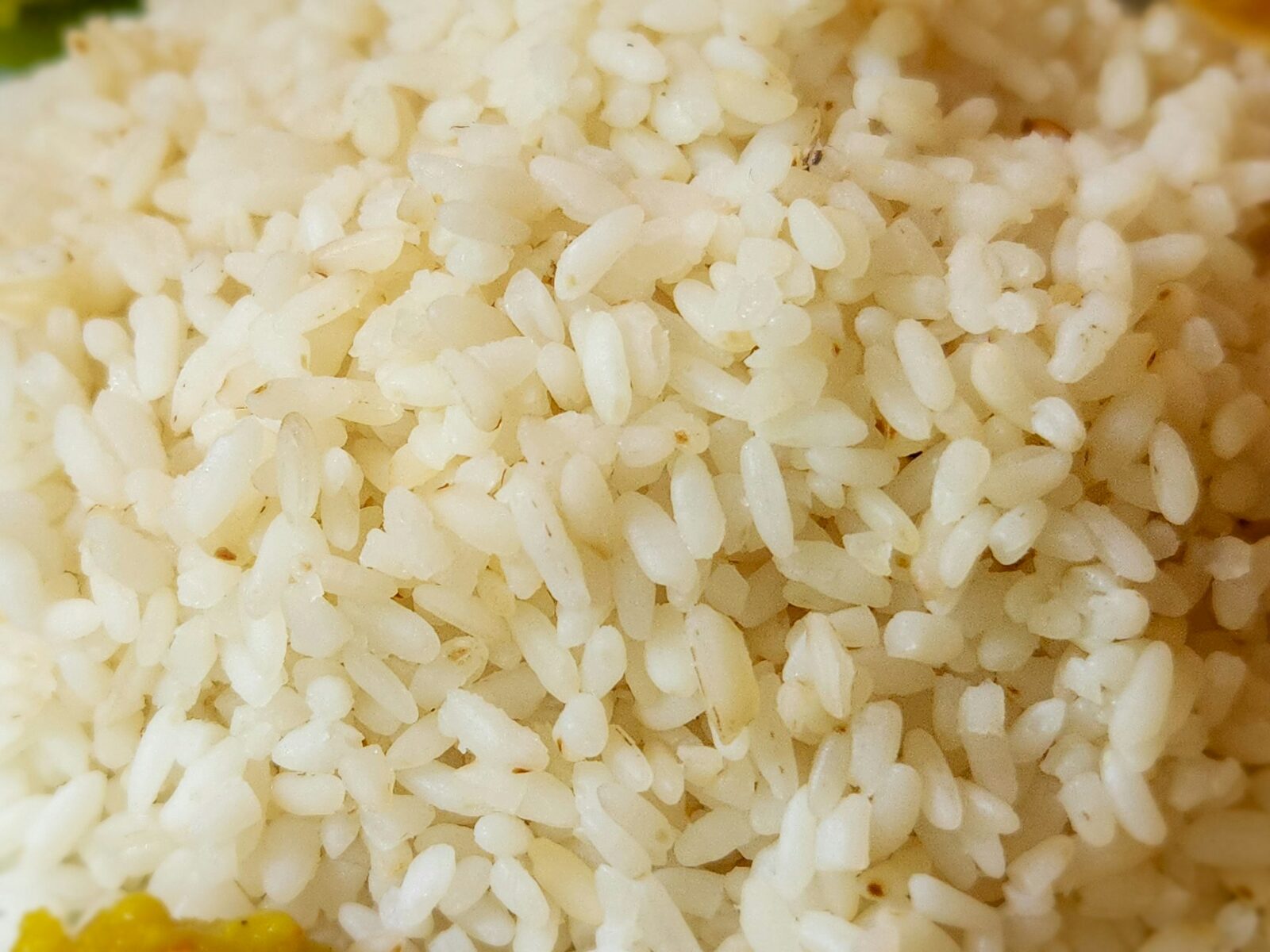
Plain rice water and fermented rice water are sometimes written about as if they’re the same thing. They aren’t. The chemistry is measurably different, the pH is different, and the skin effects are different. Choosing between them is the kind of decision where a little information gets you a meaningfully better result.
Here’s the honest comparison.
This is a home-remedy comparison, not medical advice. If your skin is reactive, broken out, or has a condition being actively treated, check in with a licensed clinician before adding new things.
The short version
- Plain rice water is a dilute starch solution with some inositol, some ferulic acid, some allantoin, some amino acids. pH is near-neutral, sometimes slightly alkaline. It’s gentle, it soothes, it hydrates.
- Fermented rice water is what happens when bacteria and yeast eat the starch and produce organic acids, more ferulic acid, kojic acid, and postbiotic compounds. pH drops to around 4.5–5.5, matching skin’s acid mantle. It’s more potent, better for brightening and barrier support.
If your skin is sensitive or new to rice water: start with plain. If your target is dullness, mild hyperpigmentation, or overall brightness over weeks: use fermented.
The chemistry that changes during fermentation
When you leave strained rice water at room temperature for 24–48 hours, naturally present microorganisms (lactic acid bacteria, wild yeasts) begin consuming the starches and sugars. The fermentation does four things that matter for skin:
- Produces organic acids — primarily lactic acid, some acetic acid, some citric. These drop the pH from near-neutral to roughly 4.5–5.5.
- Increases ferulic acid bioavailability — bound forms in the grain are released during fermentation, making them more available for topical absorption.
- Generates kojic acid — a byproduct of fermentation that inhibits tyrosinase, the enzyme responsible for melanin production. Kojic acid is a regulated cosmetic brightener.
- Creates postbiotics — metabolites and cell-wall fragments that support skin microbiome balance, similar in concept to the patented Saccharomyces ferment filtrate marketed by SK-II as Pitera.
The 2018 MDPI review on rice water’s anti-aging efficacy identified inositol as a primary driver, and traditional-medicine literature is explicit that fermentation increases the concentration of active compounds. The 2022 Zamil et al. review in the Journal of Cosmetic Dermatology discusses fermented rice bran extract specifically for atopic dermatitis support.
pH matters more than people think
Skin’s natural pH is around 4.7–5.75. Products that are too alkaline can disrupt the acid mantle, increasing transepidermal water loss and irritation risk. Products that are too acidic can sting and over-exfoliate.
Plain rice water comes in roughly neutral to mildly alkaline, depending on water hardness and rice type. That’s fine for occasional use, but repeated daily exposure to alkaline liquids isn’t what your skin evolved to absorb.
Fermented rice water naturally lands in the 4.5–5.5 range. That’s within the pH-friendly window for most skin types. This is one of the main reasons dermatology publications increasingly steer readers toward the fermented version for regular use.
Efficacy, directly compared
Brightening and dark spots
Fermented wins. Kojic acid, concentrated ferulic acid, and postbiotic byproducts all contribute to mild tyrosinase inhibition. Expect slow, cumulative brightening over 4–8 weeks of 3x weekly use. Neither version will erase a stubborn dark spot; fermented is more likely to move it.
Barrier repair and soothing
Approximately tied, with a slight edge to plain. The starch content of plain rice water is higher (it’s what the fermentation consumes), and starch is the component most strongly linked to the barrier-repair findings in the De Paepe 2002 rice-starch bath study.
Anti-inflammatory / calming redness
Fermented wins slightly. Postbiotics and lower pH are both microbiome-friendlier than plain rice water.
Sebum / acne
Fermented likely wins. Acidic pH and antibacterial properties of the fermentation metabolites may help, though the clinical evidence is thin in both directions.
Sensitivity
Plain wins. If you have reactive skin, eczema history, or are new to actives, the lower concentration of acids in plain rice water is the safer starting point.
Shelf life
Roughly equal, slightly longer for fermented. Plain lasts 3–5 days refrigerated; fermented lasts 5–7 days (the drop in pH inhibits spoilage organisms). Both freeze the same — 1–3 months as ice cubes.
When to use which
Plain rice water if you:
- Have sensitive, easily reactive skin
- Are new to rice water and want a gentle introduction
- Have active eczema (ask your dermatologist) or a compromised barrier
- Want a 5-minute morning ritual, not a science project
- Are making rice water for your kids’ skin
Fermented rice water if you:
- Are targeting dullness, uneven tone, or mild hyperpigmentation
- Have normal to combination skin
- Want the closest DIY equivalent to a K-beauty rice ferment essence
- Are okay with the mildly sour smell and the 24–48 hour prep window
- Want the pH-friendly option for daily-ish use
How to make fermented rice water correctly
The mistake beginners make is over-fermenting. Fermented is good. Rotten is bad.
- Rinse ½ cup rice until water runs clear.
- Soak in 2 cups filtered water for 30 minutes.
- Strain into a clean glass jar.
- Loosely cover the jar (cheesecloth or a lid slightly ajar — not airtight; fermentation produces gas).
- Leave at room temperature for 24–48 hours.
- Check the smell every 12 hours. Faintly sour is good. If it smells sharply unpleasant, put something over the top to prevent bug issues but otherwise abandon the batch.
- Once the aroma is correctly sour, refrigerate immediately. This stops fermentation.
- Use within 5–7 days, or freeze into ice-cube trays for 1–3 month shelf life.
Troubleshooting:
- Mold on top → throw it out, start over with cleaner jars
- No smell change after 48 hours → your kitchen is too cold or the rice was over-polished; try again with a different brand of rice
- Intensely pungent → over-fermented; toss
The verdict
If you were hoping for “one is right, one is wrong,” it’s more nuanced than that. Plain rice water is a quieter, gentler, more forgiving option. Fermented is a stronger tool for specific brightening and barrier-plus-microbiome use cases.
Most well-versed K-beauty routines use the fermented form because the pH is more skin-appropriate and the actives are more concentrated. Most dermatology-skeptic publications steer toward plain because it’s less likely to irritate someone they’ve never met.
The correct answer for you depends on your skin, your tolerance for active ingredients, and whether you actually want to wait 48 hours before you freeze your cubes.
When in doubt, start plain. Graduate to fermented after two weeks if your skin is happy.
Sources
- De Paepe K, et al. Effect of rice starch as a bath additive on the barrier function of healthy but SLS-damaged skin. Acta Dermatologica Venereologica, 2002.
- Zamil DH, et al. Dermatological uses of rice products: Trend or true? Journal of Cosmetic Dermatology, 2022.
- Marti-Mestres G, et al. Rice Water: A Traditional Ingredient with Anti-Aging Efficacy. Cosmetics (MDPI), 2018.
- Viori. The Real Reason Fermented Rice Belongs in Your Skincare Routine.
- Nuebiome. How to Make Fermented Rice Water for Skin.
Frequently asked questions
What's the actual difference between plain and fermented rice water?
Plain rice water is a near-neutral pH starch solution with modest antioxidant and amino-acid content. Fermented rice water has a lower pH (4.5–5.5, closer to skin), higher concentrations of ferulic and kojic acid, plus postbiotic metabolites from the bacteria and yeast that consumed the starch. The fermented version is more potent and better for brightening; the plain version is gentler and better for sensitive skin.
How do you know when rice water is fermented enough?
After 24–48 hours at room temperature, the liquid develops a faintly sour smell, a cloudier appearance, and a slightly lower pH. Sour is correct. Pungent, rotten, or moldy is over-fermented — discard and start over.
Does fermented rice water smell bad?
Fresh fermented rice water smells faintly sour, like very mild yogurt or kombucha. Most people don't find it off-putting. You can dilute with a splash of rose water or green tea to soften the scent if it bothers you.
Can you ferment rice water for longer than 48 hours?
Not recommended. Beyond 48 hours at room temperature, you get pH extremes that can irritate skin, plus higher microbial risk. If you want a longer-term supply, ferment to 48 hours max, then refrigerate or freeze into ice cubes.
Is fermented rice water safe for sensitive skin?
The lower pH of fermented rice water is actually friendlier to skin's acid mantle than plain rice water. However, the higher concentration of actives (ferulic acid, organic acids) means sensitive skin may react. Patch test first, and start with 1–2 applications per week before increasing frequency.