problem
Rice Water for Dark Spots: What the Evidence Actually Says
Does rice water fade dark spots? The honest answer, the ingredients that matter (ferulic acid, kojic acid, inositol), and how long to realistically give it before you expect results.
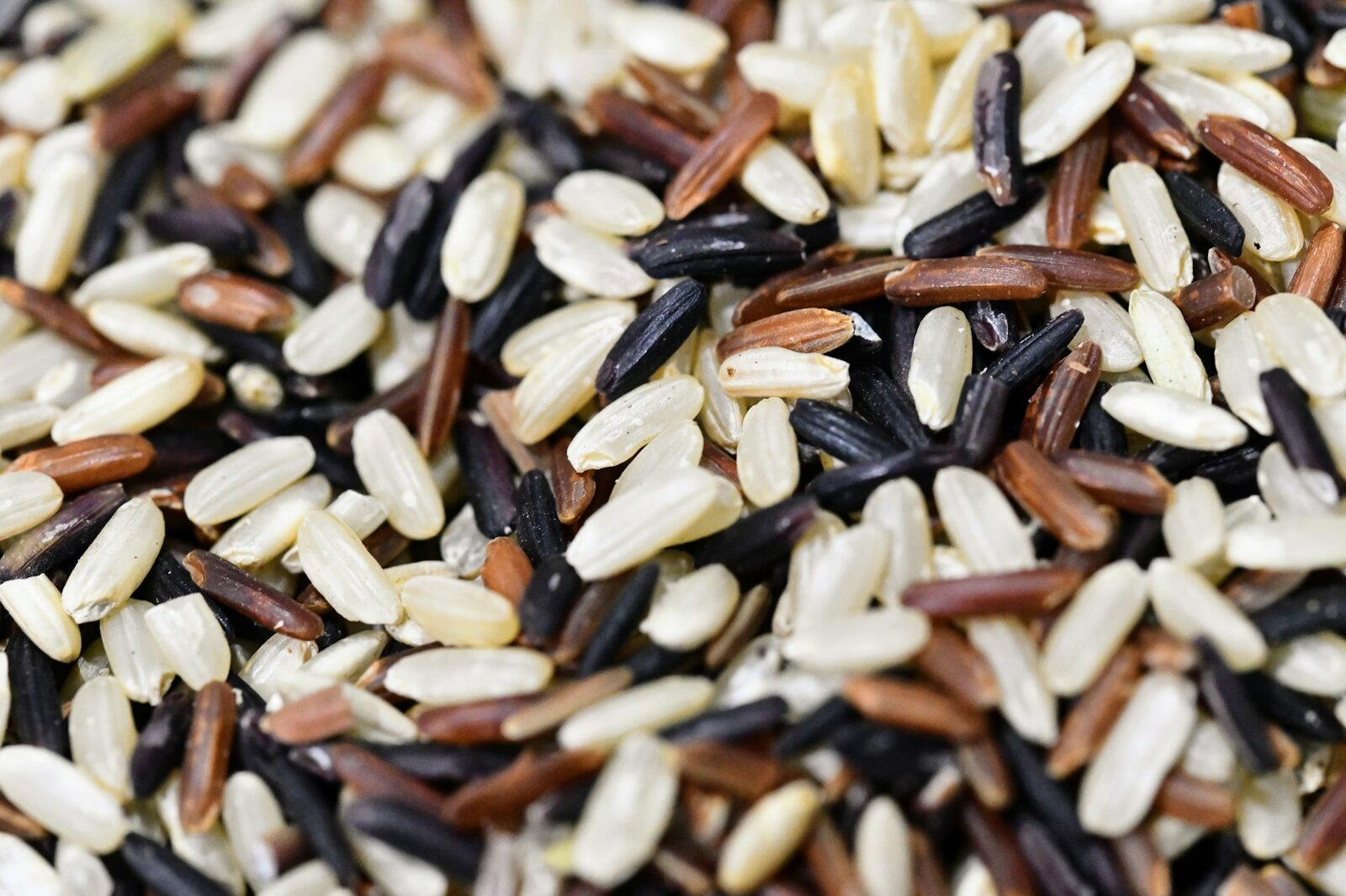
TikTok will tell you rice water fades dark spots. Healthline will hedge so hard you can’t tell whether it works at all. The truth is in between — and the truth is specific enough to be useful.
Home-remedy note: this article describes traditional and popular uses of rice water for the appearance of dark spots and summarizes what research has found. It is not medical advice. Persistent or changing pigmentation should be checked by a licensed clinician.
The short answer
Rice water — especially fermented rice water — contains compounds that can modestly reduce the appearance of mild, surface-level hyperpigmentation over 4–8 weeks of consistent use. It is not a replacement for vitamin C serum, hydroquinone, or professional treatments for established sun damage, melasma, or post-inflammatory pigmentation that’s already weeks old.
If your goal is “make the subtle unevenness from last summer look less obvious over the next two months,” rice water is a reasonable, gentle, cheap choice.
If your goal is “fade a persistent cluster of dark spots I’ve had for years,” rice water alone won’t get you there. Treat this as one layer in a broader routine.
Why rice water affects pigmentation at all
Three compounds in rice water are relevant to dark spots:
Kojic acid — produced in greater concentration during fermentation. It inhibits tyrosinase, the enzyme that produces melanin. Kojic acid is a regulated cosmetic brightening ingredient in Japan, Korea, and elsewhere; commercial cosmetics using it do work, and they work via this same mechanism.
Ferulic acid — a well-characterized antioxidant that protects skin from UV-driven oxidative stress (which is what produces new dark spots in the first place) and interferes with melanin formation pathways. Its strongest evidence is as a stabilizer and booster of vitamin C and E.
Inositol — identified in a 2018 MDPI Cosmetics review as a driver of rice water’s fibroblast-stimulating activity. Not directly a brightener, but contributes to the broader “healthier skin turnover” effect.
These compounds are real. The concentrations in DIY rice water are modest. Both things are true.
What the research actually shows
The strongest research on rice for pigmentation comes from studies of rice-bran extracts and fermented rice compounds used in formulated cosmetics, not DIY rice water. For example:
- Zamil et al., 2022, in the Journal of Cosmetic Dermatology, reviews rice-derived ingredients across skincare applications and specifically notes “rice bran ash extract increases melanin synthesis” — a complicated finding that shows rice compounds modulate pigmentation in both directions depending on preparation. For skin-brightening purposes, fermented preparations are the operative form.
- The commercial case study most relevant here is SK-II’s Pitera — a Saccharomyces ferment filtrate derived from rice fermentation. Decades of clinical-trial data and a $4B+ franchise are built on exactly this category of compound. DIY fermented rice water is a less-concentrated, unstandardized cousin of the same idea.
The honest summary: rice-water-for-brightening is mechanistically sound. Effect sizes from DIY home preparations are meaningfully smaller than from regulated commercial formulas. You can get some of the benefit, cheaply, with patience.
Realistic expectations by spot type
Recent, light surface pigmentation (last 1–3 months, mild sun spots): Good candidate. Expect visible softening at 4–6 weeks, clearer reduction at 8–12 weeks of 3x weekly use.
Older, established sun spots (years old): Modest. Rice water may even the tone around the spot and slightly soften its appearance; it does not erase established pigment.
Post-inflammatory hyperpigmentation from acne: Mixed. The gentle anti-inflammatory properties help prevent new spots. The brightening effect on existing PIH is slow.
Melasma: Minimal impact. This needs professional treatment.
Freckles / ephelides (genetic): No meaningful effect — and honestly, freckles are great, leave them alone.
The protocol for dark spots specifically
- Use fermented rice water, not plain. Kojic acid, ferulic acid, and pH are all better in fermented. See our fermented vs plain comparison.
- Frequency: 3–4 times per week. Not daily. Ferulic acid overuse can increase photosensitivity.
- Apply in the evening. This minimizes any ferulic-acid photosensitization risk and lets actives work overnight.
- Stack with sunscreen during the day. Without SPF 30+ daily, any brightening work you do is undone by continued UV exposure. This is non-negotiable for dark-spot work, regardless of ritual.
- Realistic checkpoints: take a photo at week 0, week 4, week 8, week 12. Memory is unreliable for gradual change.
- Layer, don’t replace. If you’re already using vitamin C, retinoids, niacinamide, or prescription actives, rice water is a gentle adjunct — not a swap.
Related body-skin and under-eye angles
Rice water shows up in a few specific problem-led contexts beyond face dark spots:
- Under-eye darkness from puffiness → see rice water ice cubes for under-eye bags for the depuffing protocol
- Body skin / keratosis pilaris → see rice water for keratosis pilaris for the body-application angle
When to skip rice water and talk to a clinician instead
- New dark spots that appeared suddenly or are changing in size, shape, or color (rule out melanoma — see a dermatologist).
- Pigmentation covering large areas of the face (likely melasma — needs clinical approach).
- Post-inflammatory pigmentation following severe acne or a burn — professional treatment is faster and more effective.
- If you have any diagnosed pigmentation disorder, check with your clinician before layering home remedies on top of prescribed treatment.
The honest bottom line
Rice water is a legitimate, evidence-supported adjunct for mild, recent hyperpigmentation. It is not a miracle. It costs pennies. It’s low-risk when used correctly.
Use fermented rice water three evenings a week for eight weeks, stack with daily SPF, and take photos. You’ll know whether it’s doing something for you by week eight. If it isn’t, you’ve lost a few dollars of rice and nothing else.
Sources
- Marti-Mestres G, et al. Rice Water: A Traditional Ingredient with Anti-Aging Efficacy. Cosmetics (MDPI), 2018.
- Zamil DH, et al. Dermatological uses of rice products: Trend or true? Journal of Cosmetic Dermatology, 2022.
- INCIDecoder. Galactomyces Ferment Filtrate.
- SK-II. Facial Treatment Essence — Pitera origin.
Frequently asked questions
How long does it take for rice water to fade dark spots?
If you're using fermented rice water 3–4 times per week, realistic timeline is 4–8 weeks for subtle improvement on mild, recent hyperpigmentation. Established, deeper spots (melasma, sun damage years old) change very slowly — if at all — with rice water alone. For those, clinical actives (prescription hydroquinone, azelaic acid, retinoids, or professional treatments) are the right tools.
Is fermented rice water better than plain for dark spots?
Yes. Fermentation increases the concentration of kojic acid — a regulated brightening ingredient — plus ferulic acid, and drops the pH to a skin-friendly range. For dark-spot-targeted use, fermented is the right choice.
Can rice water replace vitamin C serum?
No. Vitamin C (L-ascorbic acid) at a properly formulated concentration is substantially more potent for pigmentation. Rice water is a gentle, cheap adjunct that layers with vitamin C; it does not replace it.
Does rice water work on melasma?
Effect is minimal. Melasma is a stubborn pigmentation disorder driven by hormones, UV exposure, and genetics, and even prescription treatments require months of strict compliance. Rice water can be part of a gentle-layering routine, but it is not a melasma treatment.
Can I leave rice water on my skin to fade spots faster?
You can, but it does not meaningfully accelerate results and can clog pores on oily or acne-prone skin because of the starch content. A 5–10 minute leave-on followed by a light rinse is the sweet spot most people find comfortable.