problem
Rice Water for Keratosis Pilaris: Honest Look at What It Can (and Can't) Do
Keratosis pilaris responds to two things: gentle exfoliation and consistent moisture. Rice water can help with both — modestly. Here's what's worth trying, what won't work, and when to call a dermatologist.
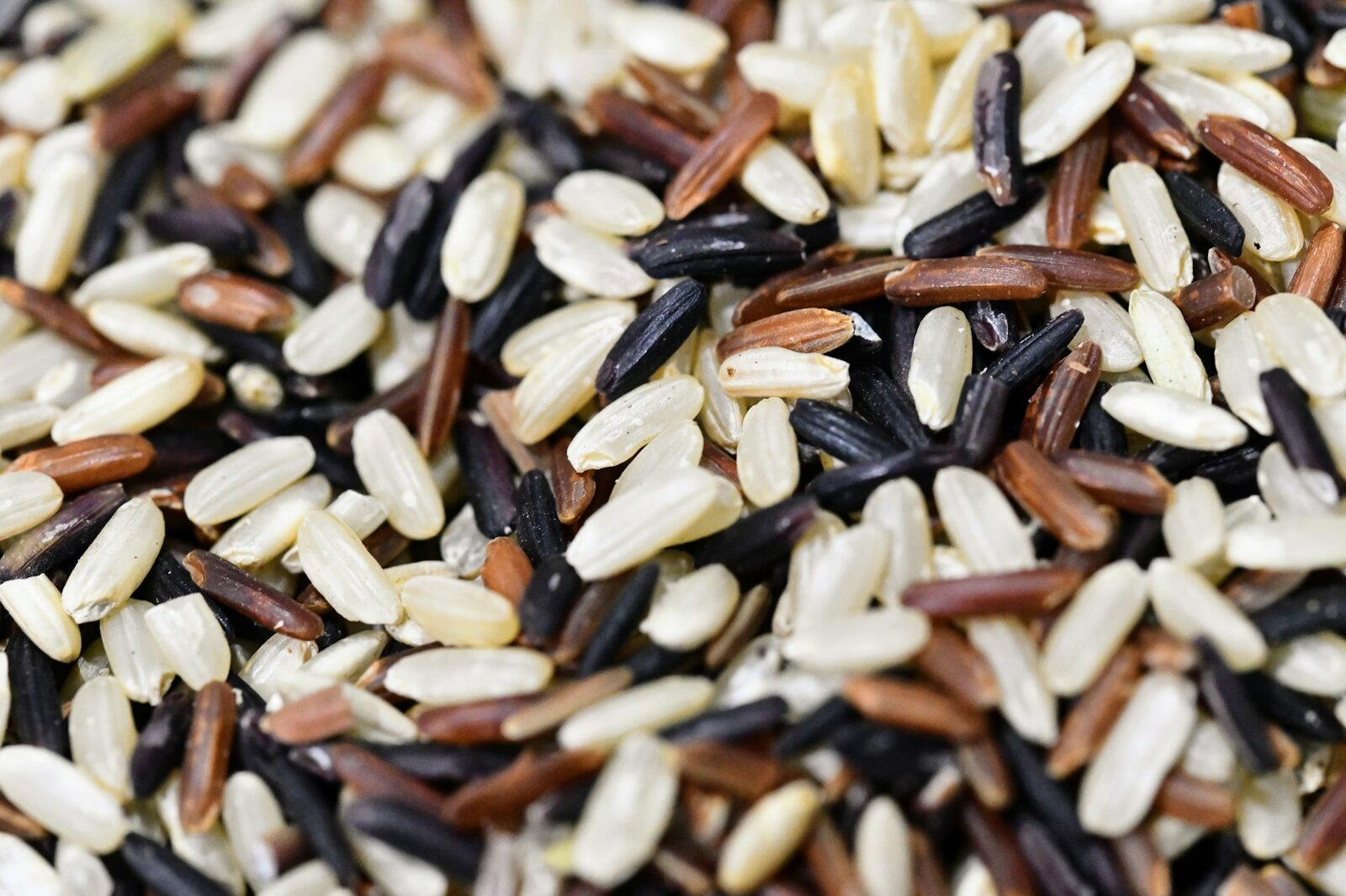
If you have keratosis pilaris — those small, persistent bumps on the backs of your arms, your thighs, sometimes your cheeks — you’ve probably tried a lot of things. Rice water has been making the rounds in TikTok comments and DIY skincare blogs as a remedy. Like most home remedies for KP, the honest answer is “modestly, with caveats.”
This post is what we’d tell a friend.
Home-remedy note: keratosis pilaris is a real skin condition. This article describes traditional and popular uses of rice water alongside the evidence-supported standard of care. For persistent, severe, or inflamed KP, see a dermatologist — they have tools we don’t.
What KP actually is
Keratosis pilaris is a buildup of keratin — the protein your skin uses to protect itself — around hair follicles. The buildup forms small bumps that feel rough and often have a red or brown halo around them. It’s genetic, very common (up to 40% of adults have it to some degree), and not harmful. It’s also not curable in the strict sense; the goal is management, not elimination.
Two things consistently improve the look of KP:
- Gentle chemical exfoliation that breaks down the keratin plugs (alpha-hydroxy acids like lactic acid; beta-hydroxy salicylic acid; urea)
- Sustained moisture that softens the surrounding skin and reduces the contrast between bumps and the rest of your arm or leg
Rice water doesn’t do (1) — it doesn’t have meaningful exfoliating activity. It does help with (2), and modestly with the look of redness.
Where rice water fits in
The compound profile in rice water — inositol, ferulic acid, allantoin, amino acids, and starch — has three relevant effects for KP:
Anti-inflammatory. Allantoin and ferulic acid are well-documented for soothing irritated skin. The 2002 Acta Dermatologica Venereologica study on rice starch in bath water (often cited for atopic dermatitis) showed barrier-function improvement on compromised skin — the same kind of compromised barrier KP-prone skin tends to have.
Hydrating. Amino acids and starch act as humectants and gentle film-formers. On dry, bumpy KP skin, this softens the texture meaningfully within a few applications.
Pigment-reducing (slowly). The post-inflammatory hyperpigmentation around healed KP bumps responds, slowly, to the brightening properties of fermented rice water (kojic acid + ferulic acid). Don’t expect fast results — this is a 6-12 week timeline.
What rice water does not do: dissolve keratin. The bumps themselves require chemical exfoliation. If someone tells you rice water alone “cleared their KP,” what likely happened is consistent moisturization made the surrounding skin softer, which made the bumps less visually prominent. The bumps are still there.
How to use rice water for KP
Step 1 — Prepare a batch using the soaked method
The soaked method is the gentlest preparation, which matters for sensitive KP-prone skin. See our soaked-method recipe for the full protocol.
Quick version:
- Rinse ½ cup organic white rice, soak in 2 cups filtered water for 30 minutes, strain
- Refrigerate; use within 3-5 days, or freeze as ice cubes for 1-3 months
Step 2 — Apply after a warm (not hot) shower
Hot water strips the skin barrier and worsens KP. Use lukewarm. Pat dry — don’t rub. Within 3 minutes of toweling off, apply rice water to the affected areas with a clean cotton pad. Let it dry for 30-60 seconds.
Step 3 — Lock in moisture immediately
The single most important step in any KP routine: apply a ceramide-rich moisturizer immediately after the rice water. Without this, you’ve just added water that will evaporate. Look for products with ceramides, glycerin, hyaluronic acid, and squalane. CeraVe Moisturizing Cream, Vanicream, and Eucerin Roughness Relief are dermatology-recommended workhorses.
Step 4 — Add a chemical exfoliant 3-4 nights per week
This is the active step that actually changes KP. Options:
- Lactic acid (AmLactin 12%, Eucerin Roughness Relief 10% urea + lactic acid)
- Salicylic acid (CeraVe SA Smoothing Cream)
- Urea (10-20% formulations)
Apply on alternating nights from rice water, not the same night. Combining acids with rice water on the same night can over-strip the barrier.
Step 5 — The ice-cube ritual (optional, with caution)
The frozen rice water cube can be applied to KP-affected areas the same way as on the face — wrapped in thin cotton, gliding (not pressing) for 60-90 seconds per area. The cold reduces visible redness around bumps for several hours. It does not change the bumps themselves.
Skip the cold ritual if you have:
- Cold urticaria (hives from cold)
- Active KP flare with broken skin
- Diagnosed Raynaud’s syndrome on the affected limbs
Realistic timeline
What you should expect with consistent use (3-4× weekly rice water + daily moisturizer + 3× weekly chemical exfoliant):
- Week 1-2: smoother skin texture, less roughness on touch. Bumps still visible.
- Week 3-4: reduced redness around bumps. Surface looks more even.
- Week 6-8: noticeably softer overall feel. Bumps less prominent at arm’s length.
- Week 12+: the chemical exfoliant has done most of the work. Rice water has made the in-between skin softer and the redness less obvious.
KP is a management condition. You’ll plateau, not reach zero. The plateau is usually a meaningful improvement over the starting point.
When to skip rice water and call a dermatologist
- KP that’s actively flared, broken, bleeding, or oozing
- Sudden worsening or rapid spread
- Persistent red bumps that don’t respond to standard exfoliation after 8-12 weeks
- KP atrophicans — a variant with scarring and hair loss in eyebrows, beard, scalp
- Any KP that’s making you avoid sleeves, swimsuits, or shorts to a degree that affects your quality of life
For severe cases, dermatologists use prescription urea (40%), tretinoin, or in-office laser treatments. These genuinely move the needle in ways DIY remedies cannot.
What we’d actually buy
Body care that pairs well with rice water for KP (Amazon links; as an Amazon Associate we earn from qualifying purchases):
- CeraVe SA Smoothing Cream — salicylic acid + ceramides. The single best non-prescription KP cream for most people.
- AmLactin Rapid Relief Lotion — 15% lactic acid, lighter feel than the SA Cream.
- Eucerin Roughness Relief — 10% urea + lactic acid. Dermatology-favored.
- A simple silicone ice-cube tray for making rice-water cubes for body application — cheap on Amazon, lasts forever.
The bottom line
Rice water is a reasonable, low-cost, low-risk addition to a KP routine. It is not the active ingredient that solves KP — that’s chemical exfoliation. Treat rice water as the soothing, hydrating layer that makes the rest of your routine more comfortable to stick with for the months of consistency KP actually requires.
Patience and routine consistency outperform any single ingredient.
Related guides
- Rice Water Soaked Method — Recipe
- Rice Water for Face: What It Does, What It Doesn’t
- Rice Water for Rosacea: Read This First
- Fermented vs Plain Rice Water
Sources
- De Paepe K, et al. Effect of rice starch as a bath additive on the barrier function of healthy but SLS-damaged skin. Acta Dermatologica Venereologica, 2002.
- Zamil DH, et al. Dermatological uses of rice products: Trend or true? Journal of Cosmetic Dermatology, 2022.
- American Academy of Dermatology. Keratosis pilaris: Diagnosis and treatment.
- Marti-Mestres G, et al. Rice Water: A Traditional Ingredient with Anti-Aging Efficacy. Cosmetics (MDPI), 2018.
Frequently asked questions
Does rice water actually help keratosis pilaris?
Modestly, yes. Rice water's allantoin and ferulic acid have soothing and barrier-supporting properties that can reduce the look of the redness around KP bumps. The starch acts as a gentle film. What rice water doesn't do is dissolve the keratin plugs themselves — that requires chemical exfoliants like lactic acid, salicylic acid, or urea. Use rice water as an adjunct, not a treatment.
How often should I apply rice water for KP?
3-4 times per week on the affected area, preferably evenings, after a warm (not hot) shower. Daily use can dry the skin further, which makes KP look worse. Pair with a fragrance-free moisturizer immediately after application.
Should I use plain or fermented rice water for keratosis pilaris?
Plain (soaked or boiled) is the safer starting point. KP-prone skin is often sensitive, and fermented rice water's lower pH can sting on inflamed areas. Try plain for two weeks; if your skin tolerates it, you can experiment with diluted fermented rice water (1:1 with filtered water).
Can I use a rice water ice cube on keratosis pilaris?
Yes, with caution. Wrap the cube in thin cotton (the same protocol as for face), glide gently — don't press — for 60-90 seconds per affected area. The cold reduces visible redness and the wrapped cube prevents ice burn. Don't ice over open or actively-flared KP patches.
What actually treats keratosis pilaris?
The standard-of-care protocol from dermatology: (1) gentle daily cleansing without harsh sulfates, (2) a chemical exfoliant 3-4× weekly (10-12% lactic acid via AmLactin, salicylic acid in CeraVe SA Cleanser, or urea creams 10-20%), (3) ceramide-rich moisturizer applied within 3 minutes of showering. Rice water can layer into step 3 as a hydration step. Persistent or severe KP needs a dermatologist.