how-to
How to Make Rice Water for Skin: 3 Methods, Ranked
The soaked, boiled, and fermented methods compared head-to-head — exact ratios, timings, and which one to pick for your skin type and goals.
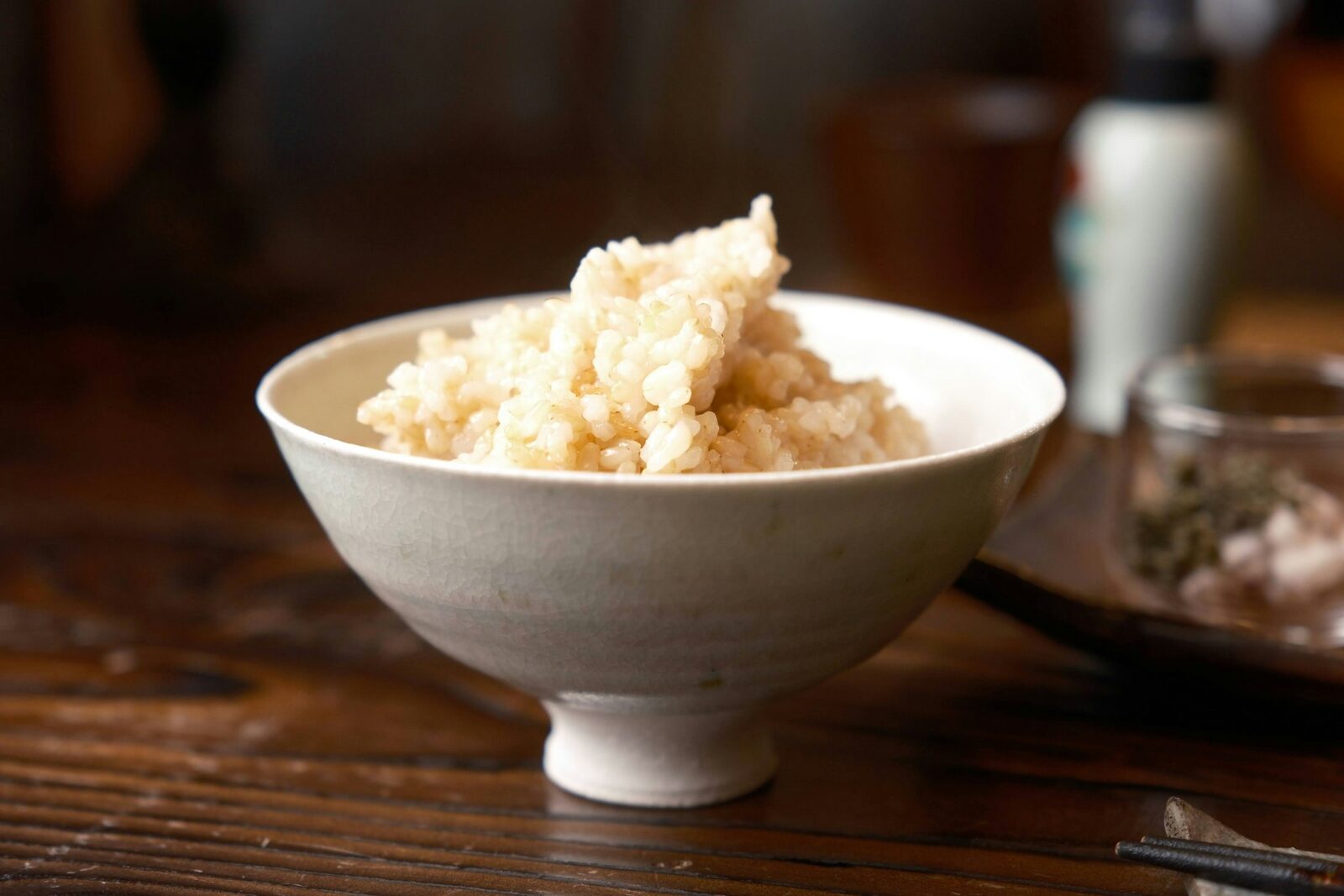
Three ways to make rice water, with every trade-off spelled out. Pick based on your skin type and how much effort you want to put in.
Home-remedy note: this is a DIY skincare preparation guide, not medical advice. If you have sensitive skin or a diagnosed skin condition, patch-test first and consult a licensed clinician if anything reacts.
The three methods, at a glance
| Method | Time | Skill level | Active density | Best for |
|---|---|---|---|---|
| Soaked | 35 min | Beginner | Low-to-moderate | Sensitive skin, first-time users |
| Boiled | 20 min | Beginner | Moderate (starch-heavy) | Barrier soothing, dry skin |
| Fermented | 24–48 hr | Slightly more | Highest | Brightening, darker spots, more experienced |
Keep reading for the exact protocols, or skim the ice-cube guide if you already know which you want to make and need the freezing steps.
Method 1: The soaked method (ranked #1 for most people)
Why it’s #1: It’s the easiest, the most forgiving, and the best starting point. Whatever your skin type, start here.
You’ll need
- ½ cup organic white rice (jasmine, short-grain, or basmati — all fine)
- 2 cups filtered water
- A clean glass bowl
- A fine-mesh strainer
- A clean glass jar with a lid
Steps
- Rinse the rice. Put the rice in a strainer and run cold water through it until the water runs clear. This takes 15–30 seconds and removes surface dust and the most superficial starch.
- Put the rinsed rice in the bowl and pour the 2 cups of filtered water over it.
- Soak for 30 minutes at room temperature. Give it a gentle swirl halfway through.
- Strain the liquid into your clean glass jar. The rice is still perfectly good to cook.
- Refrigerate immediately.
Shelf life
3–5 days refrigerated. 1–3 months if frozen as ice cubes.
When to pick this method
- First time making rice water
- Sensitive, reactive, or barrier-compromised skin
- You don’t want to mess with heat or fermentation
- You want something ready in under an hour
Method 2: The boiled method (highest starch content)
Why consider it: Boiling extracts the most starch. Starch is the compound most directly linked to the De Paepe 2002 study showing 20% improvement in SLS-damaged skin barrier function. If your priority is barrier support — dry skin, post-retinoid recovery, windburn — boiled is the stronger choice.
You’ll need
- ½ cup organic rice
- 2–3 cups filtered water
- Small saucepan
- Fine-mesh strainer
- Clean glass jar with lid
Steps
- Rinse the rice as in Method 1.
- Combine the rinsed rice and 2–3 cups of water in your saucepan.
- Bring to a gentle simmer over medium heat. Don’t crank it to a rolling boil — that’s more than you need.
- Cook for 10–15 minutes, or until the rice is softened. Do not let the water evaporate completely; you want plenty of starchy liquid.
- Strain the liquid into your clean glass jar. The rice is cooked and edible.
- Cool completely at room temperature (don’t seal while hot — condensation is the enemy). Then refrigerate.
Shelf life
3–5 days refrigerated. 1–3 months if frozen as ice cubes.
When to pick this method
- Dry or flaky skin
- Post-retinoid, post-peel, post-laser recovery (gentle barrier support)
- You want the most starch-film-forming effect
- You like the ritual of making it with heat
Method 3: The fermented method (most potent, most patient)
Why pick it: Fermentation produces more ferulic acid, more kojic acid, and postbiotic metabolites — the compounds most relevant to brightening, evening tone, and the look of mild dark spots. The pH also drops from near-neutral (plain) to roughly 4.5–5.5, which is closer to skin’s natural acid mantle and friendlier for regular use.
You’ll need
- Everything from Method 1
- A cheesecloth or a jar lid left slightly loose (fermentation produces CO₂ and needs to off-gas)
- A counter spot out of direct sunlight
Steps
- Prepare as in Method 1 — rinse, soak 30 minutes, strain into your glass jar.
- Loosely cover the jar with cheesecloth or its own lid, slightly ajar. Do not seal tightly; the jar can actually build pressure.
- Leave at room temperature for 24–48 hours. Room temperature is roughly 68–75°F (20–24°C). Colder kitchens slow fermentation; warmer kitchens accelerate it.
- Check every 12 hours. You’re looking for:
- Faint sour smell (like very mild yogurt or kombucha)
- Slightly cloudier appearance
- No mold, no sharp rotten smell
- As soon as the aroma is correctly sour, refrigerate. This stops fermentation at the sweet spot.
Troubleshooting
- No change in smell after 48 hours. Your kitchen may be too cold, or the rice may have been over-polished. Start fresh with a different rice.
- Sharp, pungent, or rotten smell. Over-fermented. Toss the batch and start over.
- Mold on the surface. Toss immediately. Do not scoop around it. Mycotoxins diffuse through liquid.
- Cloudy bottom, clear top. Normal. Gently swirl before using.
Shelf life
5–7 days refrigerated (the lower pH extends it). 1–3 months if frozen as ice cubes.
When to pick this method
- Your goal is mild brightening or evening of tone
- You want the closest DIY equivalent to a K-beauty rice-ferment essence
- You can handle a slightly sour smell
- You’ve been using plain rice water for a few weeks and are ready to level up
Compare head-to-head
For identical ½ cup rice + 2 cups water inputs, here’s what each method delivers:
| Compound | Soaked | Boiled | Fermented |
|---|---|---|---|
| Starch | Medium | Highest | Lower (fermentation consumes it) |
| Inositol | Moderate | Moderate | Moderate-High |
| Ferulic acid | Moderate | Moderate | High |
| Kojic acid | Minimal | Minimal | High |
| Amino acids | Moderate | High | Highest |
| pH | Near-neutral | Near-neutral | 4.5–5.5 (skin-friendly) |
The takeaway: boiled is the barrier-repair winner, fermented is the brightening winner, and soaked is the gentle-beginner winner that still covers most of the bases.
Which method for which skin concern
- Dullness, uneven tone, want brightness → Fermented
- Dry, flaky, barrier-compromised → Boiled
- Sensitive, reactive, new to this → Soaked
- Oily / acne-prone → Soaked or strained-twice Fermented (rinse the starch from Fermented to avoid pore-clogging)
- Mild age spots or sun-related unevenness → Fermented
- Post-sun redness / windburn → Boiled
- Just want something to depuff with → Any; freeze as cubes
Upgrades that work
Once you’ve got a base batch dialed in, you can layer without breaking the preparation:
- Add 1 teaspoon green tea (cooled) to any method for antioxidant and caffeine boost
- Add 1 tablespoon aloe vera juice to soaked for extra soothing
- Add a pinch of chamomile (brewed and cooled) to any method for calming
Avoid:
- Fresh citrus juice — photosensitivity + preservation issues
- Essential oils — irritation + instability
- Any dairy — spoilage risk
- Raw honey — can introduce microbes if prep is shaky
Bottom line
Start with soaked. Graduate to fermented once you know your skin responds well. Keep boiled in your back pocket for dry-skin seasons. All three belong in the same fridge.
Sources
- De Paepe K, et al. Effect of rice starch as a bath additive on the barrier function of healthy but SLS-damaged skin. Acta Dermatologica Venereologica, 2002.
- Zamil DH, et al. Dermatological uses of rice products: Trend or true? Journal of Cosmetic Dermatology, 2022.
- Marti-Mestres G, et al. Rice Water: A Traditional Ingredient with Anti-Aging Efficacy. Cosmetics (MDPI), 2018.
Frequently asked questions
What's the easiest way to make rice water?
The soaked method. Rinse ½ cup of rice, add 2 cups of water, let sit 30 minutes at room temperature, strain. Total effort: five minutes of work plus a 30-minute wait. No cooking, no fermenting, ready in under an hour.
Do I have to use organic rice?
No, but it's the better choice. Non-organic rice can carry pesticide residue that ends up in your rice water. Organic jasmine, short-grain white, or basmati all work well. For the lowest arsenic levels, California-grown organic rice is the safest source.
Can I reuse the same rice to make rice water twice?
Not for the same preparation. The first soak or rinse pulls out the bulk of the surface compounds, and a second pass will be substantially weaker. If you boil the rice after the first soak, the boil water is a separate, starchier preparation that's fine to use.
Should rice water smell bad?
Fresh plain rice water has almost no smell, maybe faintly grain-y. Fresh fermented rice water smells mildly sour, like very gentle yogurt. If either smells sharp, rotten, or unpleasant, it's past its prime — throw it out and start over.
What's the best rice-to-water ratio?
½ cup rice to 2 cups water is the standard across all three methods. You can go up to 1:5 rice:water for a more dilute preparation, or down to 1:3 for something more concentrated. Adjust based on how strongly the liquid looks cloudy after preparation.